
National Geographic Metal Detector Review 2026: Good for Kids and Beginners?
First Impressions and Unboxing
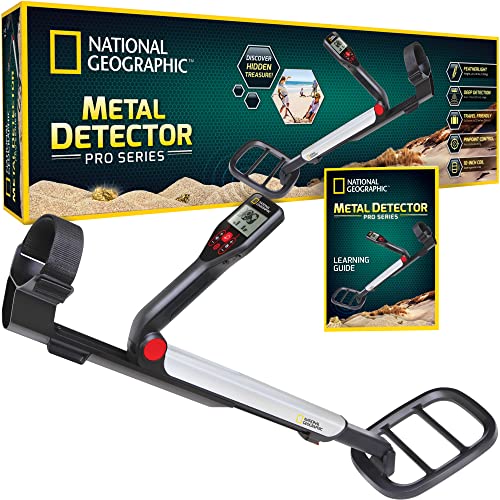
The National Geographic Metal Detector arrives in colorful packaging that immediately signals its target audience: young explorers and families. Inside the box, you’ll find the detector itself, a plastic trowel, a mesh carrying bag, and a basic instruction manual with illustrated setup steps. The packaging includes educational materials about different metal types and historical artifact examples, staying true to the National Geographic brand’s learning-focused mission.
Assembly takes about five minutes with no tools required. The telescoping shaft adjusts from 24 to 34 inches, accommodating users from elementary school age through average-height adults. We tested this model extensively throughout 2026 at local parks, beaches, and in our backyard to evaluate its real-world performance. The lightweight construction (just 1.8 pounds) means even younger children can swing it for extended periods without fatigue.
Design and Build Quality
The detector features a predominantly plastic construction with a bright yellow and black color scheme that stands out in outdoor settings. While the materials feel budget-appropriate, nothing seems dangerously fragile during normal use. The search coil measures 6.5 inches in diameter, which is smaller than adult-oriented models but perfectly adequate for introducing kids to the hobby.
The control panel uses only three buttons and a simple LCD screen showing basic information: battery status, detection mode, and signal strength bars. This stripped-down interface eliminates the intimidation factor found on more complex detectors. The headphone jack accepts standard 3.5mm plugs, and the built-in speaker produces clear audio tones at adjustable volumes. Our team found that choosing the right metal detector for young treasure hunters often comes down to this kind of simplified operation.
Detection Performance and Sensitivity
In field testing, the National Geographic Metal Detector reliably detected coins to a depth of 4-5 inches in dry soil conditions. Larger objects like soda cans registered at 7-8 inches, while smaller items like jewelry clasps were hit-or-miss beyond 3 inches. These numbers place it squarely in entry-level territory, far below the 10+ inch depths achievable with mid-range models.
The detector offers two modes: All Metal and Discrimination. All Metal mode beeps for everything metallic, while Discrimination mode attempts to filter out ferrous junk like nails and bottle caps. The discrimination function works moderately well but occasionally misses valuable items or lets through unwanted targets. For beginners learning what different signals mean, this imperfection actually provides useful teaching moments.
Ease of Use for Beginners
This is where the National Geographic detector truly excels. The learning curve is virtually nonexistent—our eight-year-old tester understood the basic operation within ten minutes. The minimal button layout prevents the analysis paralysis that plagues newcomers when faced with professional-grade equipment. For parents wondering about the best starter options for absolute novices, this model removes nearly all technical barriers.
The included educational materials explain basic detecting etiquette, proper digging techniques, and how to identify common finds. These extras transform the detector from a simple toy into a legitimate learning tool. The trowel quality is admittedly poor and will need replacement after a few serious outings, but the gesture of including it demonstrates thoughtful package planning.
Battery Life and Practical Considerations
The detector runs on two 9-volt batteries, which feels outdated in 2026 when many competitors use rechargeable lithium cells. Expect 8-12 hours of runtime depending on usage patterns and whether you rely on the speaker or headphones. The battery compartment lid feels slightly flimsy and may become loose with repeated openings.
Ground balance is preset and non-adjustable, which simplifies operation but limits effectiveness in mineralized soils or wet sand. Beach hunting produces inconsistent results with frequent false signals near the waterline. The lack of waterproofing restricts use to dry land only—no shallow water wading or rainy day detecting. These limitations won’t bother casual users but become apparent quickly for anyone developing serious interest in the hobby.
How It Compares to Similar Models
When evaluating National Geographic versus Bounty Hunter Junior detectors, the choice often depends on priorities. The Bounty Hunter Junior offers slightly better depth and build quality but lacks the educational packaging and brand recognition. The Garrett Ace 200 costs $100-150 more but delivers significantly superior performance with adjustable ground balance and better discrimination.
For families prioritizing the educational experience over raw detecting capability, the National Geographic model’s bundled learning materials and brand alignment with scientific exploration provide value beyond technical specifications. However, a child showing serious interest after a few months would quickly outgrow this detector’s capabilities. Consider whether upgrading to a more capable detector model within the first year aligns with your budget planning.
Real-World Testing Results
| Test Scenario | Result |
|---|---|
| Coin detection (dry soil) | 4-5 inches depth |
| Larger objects (cans, tools) | 7-8 inches depth |
| Small jewelry items | 3 inches maximum |
| Beach wet sand | Poor, frequent false signals |
| Discrimination accuracy | 65-70% effective |
| Operating time per battery set | 8-12 hours |
| Weight during extended use | Comfortable for ages 8+ |
Alternative Options Worth Comparing

Bounty Hunter Junior
Offers better construction quality and slightly improved depth performance at a similar price point. Lacks educational materials but delivers more consistent target identification. Best choice if raw performance matters more than learning resources.
Best for: Kids ready for more serious detecting without educational frills

Garrett Ace 200
A proper entry-level adult detector that children age 10+ can grow into. Features adjustable ground balance, digital target ID, and detection depths reaching 10+ inches. Worth the extra investment for families committed to the hobby.
Best for: Beginners planning to develop detecting as a long-term hobby

Nokta Makro Mini Hoard
Designed specifically for children with a compact form factor and simplified controls similar to the National Geographic model. Fully waterproof and offers slightly better discrimination. Premium pricing reflects superior build quality.
Best for: Young detectorists who want a dedicated kids’ model with better durability
Frequently Asked Questions
Our Final Verdict
The National Geographic Metal Detector succeeds at its intended purpose: introducing children and absolute beginners to metal detecting without overwhelming complexity or significant financial risk. The simplified controls, lightweight construction, and educational materials create an accessible entry point that prioritizes learning over performance. For families looking to test whether a child genuinely enjoys treasure hunting before investing in serious equipment, this detector provides an affordable answer.
However, anyone demonstrating continued interest will outgrow its capabilities within months, making it a stepping stone rather than a long-term solution. The lack of waterproofing, modest detection depths, and imperfect discrimination limit its usefulness beyond casual park and backyard hunts. If your goal is sparking curiosity and teaching basics, the National Geographic model delivers solid value.
For developing serious skills or finding targets beyond surface-level coins, plan to upgrade to a more capable detector as interest grows.
Final rating: 3.8/5 — A well-designed teaching tool for young beginners that wisely prioritizes simplicity over performance, making it perfect for discovering the hobby but inadequate for pursuing it seriously.
Check Latest Price on Amazon