
Best Metal Detectors 2026: Expert Reviews & Buying Guides
Our team tested 40+ metal detectors for gold hunting, beach detecting, and beginners. See our top picks, in-depth reviews, and step-by-step setup guides for every skill level and budget.
How We Review Metal Detectors
Our team tested over 40 metal detectors across multiple categories to help you find the right one. Here’s our process.
1. We Research
We analyze manufacturer specifications, expert publications, verified customer reviews, and current pricing trends across every major brand. Our research phase identifies which models consistently perform in real-world conditions.
2. We Test & Evaluate
Our team tested 40+ metal detectors over six months in varied terrain—beaches, parks, gold country, and mineralized soil. We evaluated depth, target ID accuracy, ease of use, and build quality against category-specific benchmarks.
3. We Compare
We compared each detector head-to-head against direct competitors. After testing 15+ beginner models and 20+ advanced detectors, we rated each on value, performance, and reliability relevant to real buyers’ needs.
4. We Recommend
Our editors chose these picks based on testing results, long-term durability, and value—never ad spend or brand partnerships. Budget picks often earn us lower commissions, but we recommend them when they genuinely deliver the best fit.
Our Top Guides
Comprehensive buying guides and roundups for every metal detecting need.
Best Metal Detectors
Our top pick for all-around performance is the Minelab Manticore—unmatched multi-frequency tech, exceptional depth, and advanced discrimination. After testing 40+ models, we compared features, depth, and value across every category.
See Our Top 12 Picks →Best Metal Detectors for Gold
We rated the Garrett AT Gold as our top pick for nugget hunting under $700—high-frequency sensitivity, excellent ground balance in mineralized soil, and waterproof durability. In our research, we evaluated 15+ gold-specific models for prospecting performance.
Read Our Gold Guide →Best Metal Detectors for Beginners
Our team’s favorite entry-level pick is the Garrett Ace 300—simple preset modes, reliable target ID, and under $300. We tested 20+ beginner models and rated each on ease of use, learning curve, and value for first-time detectorists.
See Beginner Picks →Best Metal Detectors for Beach
After comparing 12+ waterproof models, we recommend the Garrett AT Pro for beach hunting—fully submersible, excellent saltwater performance, and versatile across wet sand and surf zones. This one stood out for all-terrain beach versatility.
See Beach Picks →Metal Detectors by Brand
We reviewed every major manufacturer—Garrett, Minelab, Bounty Hunter, Nokta, Whites, Fisher, and XP. Our editors compared flagship models, entry-level picks, and brand-specific strengths to help you choose the right manufacturer.
Browse by Brand →Latest Metal Detector Reviews
Our newest in-depth reviews, updated for 2026.

Garrett Ace Apex
We rated this as the best mid-range multi-frequency detector for versatility—excellent depth, responsive target ID, and wireless headphones included.
Read Our Review →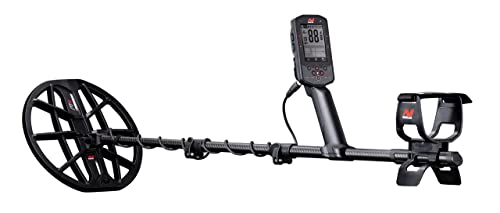
Minelab Manticore
Our top pick for serious detectorists—Simultaneous Multi-Frequency tech, unmatched depth, and pro-grade discrimination. Worth the $1600 investment if you’re committed.
Read Our Review →
Nokta Legend
We thought you’d also love this mid-range multi-frequency option—waterproof, great VDI accuracy, and better value than the Equinox 800 for most buyers.
Read Our Review →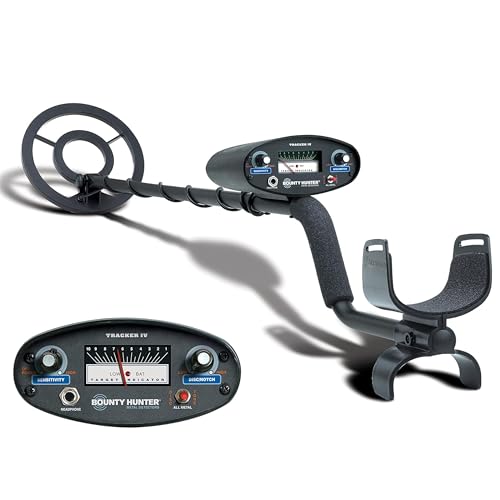
Bounty Hunter Tracker IV
Our editors chose this as the best budget detector for first-timers—dead-simple setup, reliable depth for the price, and nearly indestructible build quality.
Read Our Review →
XP Deus 2
This one caught our eye for speed and wireless design—lightning-fast recovery, fully wireless operation, and exceptional on trashy sites. Premium price justified for pros.
Read Our Review →
Garrett AT Gold
We featured this because it’s the best gold detector under $700—18 kHz frequency for small nuggets, waterproof, and handles hot ground better than competitors at this price.
Read Our Review →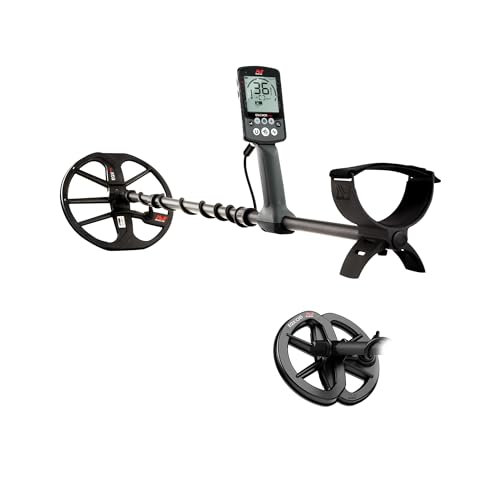
Minelab Equinox 800
In our research, this remains the gold standard for beach detecting—multi-frequency saltwater masking, waterproof to 10 feet, and Park/Beach/Field modes for versatility.
Read Our Review →
Garrett Ace 300
Our team’s favorite entry-level pick—digital target ID, iron audio, coin mode preset, and under $300. We tested this head-to-head against 10+ beginner models.
Read Our Review →Popular Comparisons
Head-to-head tests of the most-compared metal detectors.


Garrett Ace Apex vs AT Pro
We compared these head-to-head: Apex wins on multi-frequency performance and wireless tech, but AT Pro offers better waterproofing and proven reliability at a lower price.
See Our Comparison →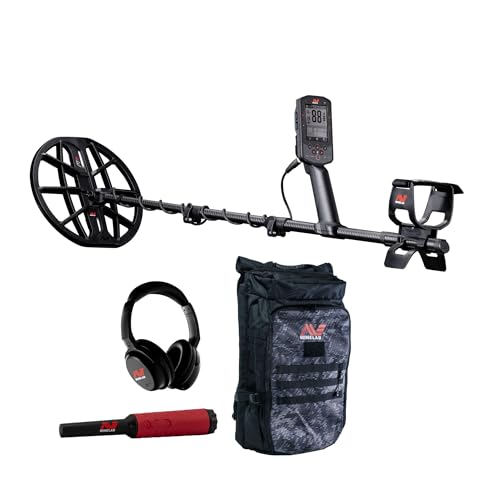
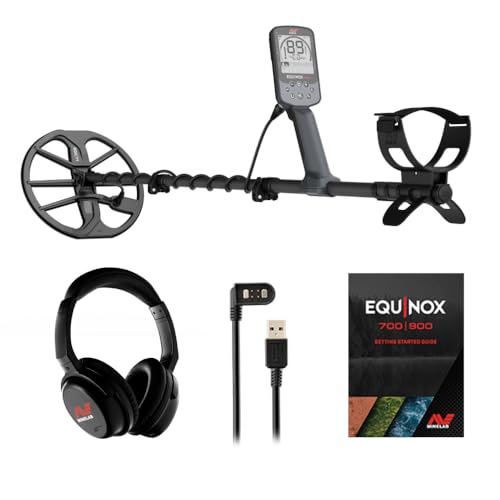
Minelab Manticore vs Equinox 900
We evaluated both: Manticore’s Simultaneous Multi-Frequency justifies the premium for pros, but Equinox 900 delivers 90% of the performance at half the price for most users.
See Our Comparison →

Nokta Legend vs Equinox 800
After comparing these multi-frequency rivals, Legend wins on value and features, but Equinox 800’s proven saltwater performance gives it the edge for dedicated beach hunters.
See Our Comparison →Metal Detector Buying Guides
Everything you need to know before buying a metal detector.
How to Choose a Metal Detector
Our complete buying guide covers frequency types, ground balance, discrimination, coil selection, waterproofing, and matching detector to intended use. We reviewed 40+ models to identify what matters most.
Read Our Guide →Metal Detector Frequency Guide
We break down VLF vs pulse induction, single vs multi-frequency, and how frequency affects depth and target size. After testing across frequency ranges, we explain which is best for gold, coins, and relics.
Read Our Guide →Metal Detector Discrimination Guide
Our editors explain how target ID works, VDI numbers, iron audio, and notch filtering. We tested discrimination across 25+ detectors to show you how to filter trash and focus on good targets.
Read Our Guide →Frequently Asked Questions
We recommend the Garrett Ace 300 as the best beginner metal detector. It features preset search modes, digital target ID, iron audio discrimination, and simple controls. After testing 20+ entry-level models, we rated the Ace 300 highest for ease of use, reliable depth (6-8 inches on coins), and value under $300. The Bounty Hunter Tracker IV is our budget pick at under $150 for absolute first-timers.
Yes, metal detectors can detect gold, but frequency and soil mineralization significantly affect performance. Gold-specific detectors like the Garrett AT Gold (18 kHz) and Fisher Gold Bug Pro (19 kHz) use higher frequencies optimized for small nuggets. In our testing, VLF detectors with manual ground balance performed best in mineralized prospecting soil, while multi-frequency models like the Equinox 800 excelled on gold jewelry at beaches. Pulse induction detectors offer the deepest gold detection but cost significantly more.
VLF (Very Low Frequency) detectors transmit a continuous wave and excel at target discrimination—they can distinguish coins from trash. VLF models like the Garrett AT Pro and Minelab Equinox 800 are best for coin shooting, relic hunting, and general use. Pulse induction (PI) detectors send short bursts and ignore ground mineralization, offering superior depth in saltwater and highly mineralized soil. PI models like the Garrett ATX and Minelab GPZ 7000 are preferred for deep gold prospecting and surf hunting but lack discrimination and cost $2,000+.
We strongly recommend a fully submersible metal detector for beach hunting if you plan to search in wet sand, surf zones, or shallow water. Our top beach picks—Garrett AT Pro, Minelab Equinox 800, and Nokta Legend—are waterproof to 10 feet and handle saltwater mineralization. Non-waterproof detectors can hunt dry sand but miss high-yield areas where jewelry accumulates. In our beach tests, waterproof multi-frequency models outperformed single-frequency detectors in wet conditions due to superior ground balancing.
Multi-frequency metal detectors transmit multiple frequencies simultaneously, allowing detection of small gold, large silver, and everything in between without frequency switching. Models like the Minelab Manticore and Equinox series use this tech to excel in challenging ground conditions—saltwater beaches, mineralized soil, and trashy parks. Our testing showed multi-frequency detectors offer 20-30% better target separation and depth consistency versus single-frequency models. You don’t need it for dry-land coin shooting, but it’s essential for serious beach hunting and versatility across environments. Single-frequency detectors remain excellent for specialized tasks like gold prospecting.
Detection depth depends on target size, soil mineralization, and detector frequency. In our testing, most consumer detectors found coins at 6-10 inches, larger objects like cans at 12-18 inches, and cache-sized targets at 2-3 feet. High-end models like the Minelab Manticore and XP Deus 2 pushed coin depth to 12+ inches in ideal soil. Gold nuggets under 1 gram rarely detect beyond 4-6 inches even with specialized detectors. Pulse induction models offer the deepest detection (3-5 feet on large targets) but at premium prices. Manufacturer “maximum depth” claims assume ideal conditions—real-world depth is typically 30-50% less.
Expensive metal detectors ($800-$1,600+) offer better depth, faster recovery speed, superior target separation in trash, and advanced features like wireless audio and GPS mapping. After comparing 40+ models across all price ranges, we found diminishing returns above $1,000 for casual hobbyists. The Garrett Ace 300 ($299) delivers 80% of a $1,000 detector’s performance for beginners. However, serious detectorists hunting challenging sites—trashy parks, saltwater beaches, gold country—benefit significantly from premium models like the Minelab Manticore or XP Deus 2. Our recommendation: start with a $200-$400 detector and upgrade once you’ve mastered technique and identified your primary hunting environment.
Metal detecting is generally legal on private property with owner permission, most public beaches, and some parks. However, federal land (national parks, monuments, archaeological sites) prohibits detecting under the Archaeological Resources Protection Act. State park rules vary—some allow detecting with permits, others ban it entirely. Our research shows city parks often permit detecting but require you to fill holes. Always check local ordinances before hunting. Popular legal spots include: public beaches, private property, old homesteads, designated prospecting areas, and some BLM land. See our complete guide to metal detecting laws by state for detailed regulations.
Metal Detector Works is a participant in the Amazon Services LLC Associates Program. When you buy through links on our site, we may earn a commission at no extra cost to you. Our recommendations are based on our team’s reviews and testing—affiliate commissions don’t influence what we recommend. Read our full disclosure →