
Metal detector works may earn a commission from Amazon purchases — at no extra cost to you. Our recommendations reflect our team’s evaluation, not affiliate payouts. Full disclosure →

How to Choose a Metal Detector 2026: Complete Buying Guide for Every Use

Metal Detectors

Choosing the right metal detector in 2026 requires understanding your specific needs, budget, and intended hunting environment. The market offers hundreds of models ranging from $100 entry-level units to $2,500+ professional machines, each designed for different skill levels and treasure-hunting scenarios. Whether you’re searching for coins in parks, relics on historic sites, gold nuggets in mineral-rich soil, or jewelry on saltwater beaches, the detector you choose will significantly impact your success and enjoyment.

Modern metal detectors incorporate advanced technologies like multi-frequency scanning, wireless audio, GPS mapping, and smartphone connectivity that weren’t available just a few years ago. Understanding the fundamental differences between detector types, frequency ranges, coil configurations, and feature sets will help you avoid costly mistakes and select a machine that grows with your skills. This guide breaks down everything you need to know to make an informed purchase decision, from basic terminology to advanced specifications that separate good detectors from great ones.

What This Guide Covers

  1. Types of Metal Detectors
  2. Essential Features to Consider
  3. Common Buying Mistakes
  4. Budget Tiers & Recommendations
  5. Frequently Asked Questions

Types to Know Before You Buy

Very Low Frequency (VLF) Detectors

VLF detectors use two coils to transmit and receive electromagnetic signals, making them the most versatile and widely used detector type. They excel at discriminating between different metal types and are highly effective in parks, fields, and freshwater beaches.

Pros

  • Excellent target identification and discrimination capabilities
  • Superior depth in normal soil conditions
  • Available across all price points from beginner to professional
  • Best performance for coin and jewelry hunting

Cons

  • Struggles in highly mineralized soil without proper ground balancing
  • Less effective on saltwater beaches compared to pulse induction
  • Can miss small gold nuggets that PI detectors would find
  • Heavier learning curve for advanced discrimination settings

Best for: General purpose detecting, coin shooting, relic hunting, and freshwater beach detecting Typical price: $150 – $1,800

Pulse Induction (PI) Detectors

PI detectors send powerful bursts of current through the coil and measure the return signal, allowing them to ignore ground mineralization and penetrate deeper than VLF detectors. They’re the preferred choice for saltwater beaches and gold prospecting in challenging terrain.

Pros

  • Maximum depth capability in all soil conditions
  • Unaffected by saltwater or highly mineralized ground
  • Superior small gold nugget detection
  • Simple operation with fewer settings to adjust

Cons

  • Poor discrimination between metal types
  • Higher price point with fewer budget options
  • Digs more trash targets due to limited filtering
  • Not ideal for trashy areas like urban parks

Best for: Saltwater beach hunting, gold prospecting, deep relic recovery Typical price: $700 – $5,000

Multi-Frequency Detectors

Multi-frequency detectors transmit multiple frequencies simultaneously, combining the versatility of VLF with enhanced performance in challenging conditions. This technology represents the cutting edge of metal detection in 2026.

Pros

  • Excellent performance across all target types and conditions
  • Reduced ground noise in mineralized soil and saltwater
  • No need to manually select frequencies for different targets
  • Future-proof technology with regular software updates

Cons

  • Premium pricing with most models above $900
  • Complex feature sets may overwhelm new detectorists
  • Battery consumption higher than single-frequency units
  • Requires quality headphones to appreciate full capability

Best for: All-around detecting, beach hunting, prospecting, serious hobbyists wanting one versatile detector Typical price: $900 – $2,500

Beat Frequency Oscillation (BFO) Detectors

BFO detectors are the simplest and oldest metal detector technology, using two oscillators to create an audible beat tone when metal is detected. While largely obsolete for serious detecting, they remain the most affordable entry point.

Pros

  • Extremely affordable with models under $50
  • Simple operation perfect for young children
  • Lightweight and durable construction
  • No learning curve or complicated settings

Cons

  • Very limited depth and sensitivity
  • No discrimination or target identification
  • Poor performance in mineralized soil
  • Will quickly frustrate anyone wanting real results

Best for: Children’s introductory toys, extremely casual beach combing Typical price: $30 – $100

Specialty Gold Detectors

Gold-specific detectors operate at higher frequencies (typically 14kHz-60kHz) optimized for small gold nuggets while filtering out hot rocks and ground mineralization. These purpose-built machines sacrifice general versatility for superior gold sensitivity.

Pros

  • Maximum sensitivity to small gold nuggets and flakes
  • Advanced ground balancing for mineralized goldfields
  • Specialized features like enhanced audio and iron rejection
  • High-frequency options detect gold other detectors miss

Cons

  • Poor performance on coins and general treasure hunting
  • Requires knowledge of gold prospecting locations
  • Higher price point for quality models
  • Limited usefulness outside gold-bearing regions

Best for: Dedicated gold prospecting in known gold country Typical price: $400 – $7,000

Key Features to Evaluate

Operating Frequency

Frequency, measured in kilohertz (kHz), determines what targets your detector finds best. Lower frequencies (5-8kHz) penetrate deeper and excel on large silver coins and relics, while higher frequencies (15-40kHz) detect small gold and jewelry with superior sensitivity. Multi-frequency detectors transmit several frequencies simultaneously, eliminating the need to choose.

Ground Balance

Ground balance filters out mineral signals from soil, preventing false signals and improving depth. Manual ground balance gives you complete control, automatic ground balance adjusts continuously as you hunt, and tracking ground balance updates in real-time as soil conditions change. Quality ground balance is essential for consistent performance.

Discrimination and Notch

Discrimination lets you filter out unwanted metals like iron or aluminum, reducing the number of junk targets you dig. Notch discrimination allows you to accept or reject specific conductivity ranges, perfect for eliminating pull-tabs while accepting gold rings. Advanced detectors offer customizable discrimination patterns for any hunting scenario.

Search Coil Size and Configuration

Coil size affects depth, coverage, and sensitivity. Larger coils (11-15 inches) provide maximum depth and ground coverage but struggle in trashy areas. Smaller coils (5-8 inches) offer better target separation and maneuverability in junky sites. Concentric coils provide precise pinpointing, while DD (double-D) coils excel in mineralized ground and offer superior depth.

Target ID and Display

Target ID assigns numeric values or visual indicators to detected objects based on conductivity, helping you decide what to dig before breaking ground. Modern displays show conductivity numbers (typically 0-99), depth estimates, battery life, and real-time ground mineralization. Color LCD screens on 2026 models offer enhanced visibility and customizable themes.

Waterproof Rating

Waterproof ratings determine where you can hunt safely. Weatherproof control boxes handle rain but not submersion. Fully waterproof detectors allow shallow water wading (typically to 10 feet). Submersible detectors rated for diving can operate in deeper water. Consider your hunting environments carefully—saltwater requires both waterproofing and specific technology to handle conductivity.

Common Mistakes to Avoid

Buying Based on Maximum Depth Claims Alone. Manufacturers often advertise extreme depth capabilities measured in ideal conditions on large objects. Real-world performance depends on soil mineralization, target size, and your sweep technique. A detector claiming 12-inch depth might only reach 6 inches in your local soil. Focus on features, reviews, and overall performance rather than depth specifications alone.
Choosing the Wrong Detector for Your Primary Environment. A VLF detector optimized for parks will perform poorly on saltwater beaches, while a pulse induction machine will drive you crazy with false signals in trash-heavy areas. Your primary hunting environment should dictate detector type—saltwater beach hunters need multi-frequency or PI technology, while park hunters benefit from precise discrimination. Match the technology to your terrain.
Neglecting Weight and Ergonomics. A detector you can’t swing comfortably for 2-3 hours will stay in your garage regardless of its capabilities. Test the weight distribution, handlebar adjustability, and armrest comfort before buying. Models weighing over 4 pounds cause fatigue quickly, especially for new detectorists. Consider lighter models or detectors with hip-mount battery options for extended hunts.
Skipping Essential Accessories. Budget detectors often lack critical accessories like quality headphones, pinpointers, and digging tools. Quality wireless headphones improve target identification dramatically and protect your hearing. A pinpointer reduces plug size and recovery time. Factor these $100-200 in accessories into your total budget or you’ll be making a second purchase within weeks.
Buying Too Advanced for Your Skill Level. Professional-grade detectors with 50+ adjustable settings overwhelm beginners who haven’t mastered basic sweeping technique and signal interpretation. You’ll get better finds with a simpler detector you understand completely than an advanced model you can’t optimize. Start with intuitive controls and preset modes, then upgrade as your skills develop and you identify your preferred hunting style.

Recommendations by Budget

Budget

$200 – $400

Entry-level detectors offering solid performance for beginners learning the hobby without significant financial commitment.
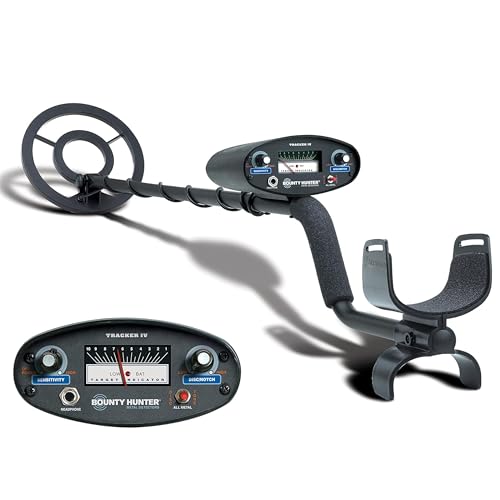
Bounty Hunter Tracker IV Top Pick Budget

Bounty Hunter Tracker IV

The Tracker IV delivers reliable VLF performance at an accessible price point, making it ideal for new detectorists exploring parks, yards, and dry sand beaches. Its preset discrimination mode eliminates most iron trash automatically, while the 8-inch waterproof coil handles rain and shallow water. Two-tone audio clearly distinguishes ferrous from non-ferrous targets, and the simple three-knob interface prevents overwhelming beginners with excessive settings.

Check Price on Amazon
Nokia Simplex+ Lightweight option

Nokia Simplex+

At just 2.9 pounds, the Simplex+ offers waterproof construction to 10 feet and wireless audio capability at a budget-friendly price.

Check Price on Amazon
Fisher F22 Enhanced discrimination

Fisher F22

The F22 provides nine-segment iron discrimination and weatherproof construction, perfect for park hunting and learning target identification skills.

Check Price on Amazon

Mid-Range

$450 – $900

Versatile detectors with advanced features suitable for serious hobbyists hunting diverse environments and target types.

Garrett AT Pro Top Pick Mid-Range

Garrett AT Pro

The AT Pro combines proven VLF technology with full submersion waterproofing to 10 feet, making it equally capable in parks, fields, and freshwater beaches. Its 8.5×11-inch DD coil handles mineralized soil effectively, while iron audio helps experienced hunters cherry-pick targets in trashy areas. Standard and professional modes accommodate both beginners and advanced users, and the robust construction withstands years of field use. When comparing options across top-rated metal detectors, the AT Pro consistently ranks as the most versatile mid-range choice.

Check Price on Amazon
Nokta Legend Multi-frequency power

Nokta Legend

The Legend brings simultaneous multi-frequency technology to the mid-range market with excellent saltwater performance and wireless charging.

Check Price on Amazon
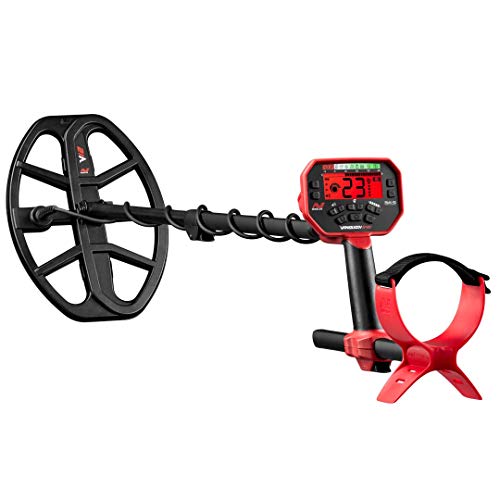
Minelab Vanquish 540 Beginner-friendly advanced tech

Minelab Vanquish 540

Multi-IQ technology in an automatic package with preset modes eliminates the learning curve while delivering professional-grade ground cancellation.

Check Price on Amazon

Premium

$1,000 – $2,500

Professional-grade detectors with cutting-edge technology for dedicated hobbyists and those wanting maximum performance across all conditions.
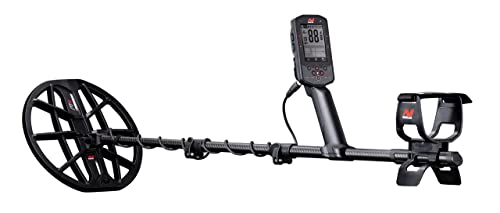
Minelab Manticore Top Pick Premium

Minelab Manticore

The Manticore represents the pinnacle of multi-frequency detection in 2026, combining simultaneous multi-IQ technology with advanced 2D target identification and wireless audio connectivity. Its adaptive ground balancing automatically adjusts to changing soil conditions, while customizable discrimination patterns let experienced hunters optimize for any target type. The full-color LCD touchscreen remains visible in direct sunlight, and submersible design to 16 feet makes it ideal for serious beach hunters. When searching specifically for gold-capable detectors, the Manticore’s high-frequency sensitivity excels on small nuggets while maintaining excellent depth on coins and relics.

Check Price on Amazon
Garrett Ace Apex Multi-flex versatility

Garrett Ace Apex

The Apex offers six simultaneous frequencies with exceptional iron resolution and replaceable coil options for specialized hunting scenarios.

Check Price on Amazon
XP Deus II Lightweight wireless

XP Deus II

At 2 pounds with completely wireless operation and fast multi-frequency switching, the Deus II delivers premium performance without the weight penalty.

Check Price on Amazon

Frequently Asked Questions

Lower frequencies (5-8kHz) penetrate deeper and excel at finding large silver coins, relics, and deep targets in low-mineral soil. Higher frequencies (15-40kHz) offer superior sensitivity to small gold jewelry, thin coins, and nuggets but with reduced depth. For versatile all-around detecting, choose a detector operating between 10-15kHz or invest in a multi-frequency model that transmits several frequencies simultaneously. Multi-frequency detectors eliminate frequency selection concerns and perform well across all target types and ground conditions, making them ideal for detectorists who hunt diverse locations.

Waterproof construction provides significant advantages even for land hunters. Rain, wet grass, and accidental submersion in puddles can damage non-waterproof control boxes permanently. Waterproof coils allow you to hunt creek beds, riverbanks, and immediately after rainfall when targets are easier to recover from soft ground. If you plan to hunt only dry parks and never encounter water, weatherproof models suffice, but fully waterproof detectors offer peace of mind and expanded hunting opportunities. The minimal price increase for waterproof construction typically proves worthwhile within the first year.

Ground balancing is critical for consistent depth and reducing false signals from mineralized soil. Automatic ground balance works well for beginners and areas with consistent soil conditions, continuously adjusting as you hunt. Manual ground balance gives experienced users precise control for extreme mineralization and allows fine-tuning for maximum depth. Tracking ground balance updates in real-time and works best in areas where soil conditions change frequently, like beach transitions from dry to wet sand. For beginning detectorists, automatic ground balance reduces the learning curve while delivering solid performance.

VLF detectors transmit one frequency at a time, making them excellent general-purpose machines but requiring you to choose between depth on large targets or sensitivity to small ones. Multi-frequency detectors transmit multiple frequencies simultaneously, providing good performance on all target sizes without manual adjustment. In practice, multi-frequency models handle saltwater beaches, mineralized soil, and trashy sites with less ground noise and more stable target identification. VLF detectors cost less and work superbly in normal soil, while multi-frequency models command premium prices but eliminate frequency compromises and perform better in challenging conditions.

Preset modes (Park, Beach, Field, Gold) automatically configure discrimination, sensitivity, and ground balance for common scenarios, perfect for beginners who want quick results without mastering technical settings. Full manual control allows experienced hunters to fine-tune every parameter for maximum performance in specific conditions but requires knowledge of how settings interact. Many modern detectors offer both—preset modes for immediate use and manual adjustments for advanced optimization. New detectorists should prioritize models with effective presets they can use immediately while learning, then experiment with manual settings as skills develop.

Plan to spend an additional $150-300 on essential accessories for a complete detecting setup. Quality headphones ($50-150) dramatically improve target identification and protect your hearing during long hunts. A pinpointer ($80-150) reduces plug size, recovery time, and target damage. A digging tool appropriate for your environment ($20-50) is mandatory, whether a trowel for parks or scoop for beaches. A finds pouch ($15-30), batteries or charging system ($20-40), and coil covers ($15-25) complete the basic kit. Cutting corners on accessories limits your detector’s effectiveness regardless of how much you spent on the machine itself.

Multi-frequency and some advanced VLF detectors handle both environments well with appropriate setting adjustments. Saltwater beaches require ground balancing that accommodates conductive saltwater, while freshwater beaches and parks work with standard ground balance. Waterproof construction to at least 10 feet is essential for surf hunting but offers benefits in parks too. The key limitation is discrimination—detectors optimized for iron-heavy park trash may be too aggressive for beaches where you want to dig all non-ferrous signals. A quality multi-frequency detector like the Nokta Legend or Minelab Equinox series delivers excellent performance in both environments without requiring two machines.

For coins and relics, prioritize depth capability, iron discrimination, and target separation in trashy sites. Lower operating frequencies (5-10kHz) penetrate deeper to old coins buried 8-12 inches. Advanced iron discrimination with adjustable breakpoints lets you reject iron nails and trash while accepting desirable targets nearby. Multiple tones (3-5 tone ID) help distinguish silver coins from clouts and aluminum trash by ear. Search coils in the 10-11 inch range balance depth with target separation in moderately trashy sites, while smaller 6-8 inch coils excel in extremely trashy colonial sites where targets sit close together beneath decades of metallic debris.