
Metal detector works may earn a commission from Amazon purchases — at no extra cost to you. Our recommendations reflect our team’s evaluation, not affiliate payouts. Full disclosure →
Complete Metal Detector Discrimination Guide for 2026
Metal detector discrimination is the ability to differentiate between valuable targets like coins and jewelry versus unwanted junk like pull-tabs and bottle caps. This technology analyzes the conductivity signature of buried objects and allows you to selectively ignore certain metal types. Understanding how to properly configure discrimination settings separates successful detectorists from those who waste hours digging trash.
Modern metal detectors in 2026 offer sophisticated discrimination features ranging from simple notch filters to multi-frequency target ID systems with visual conductivity scales. Whether you’re beach hunting, coin shooting in parks, or searching historical sites, mastering discrimination techniques directly impacts your find rate and recovery quality. The challenge lies in filtering trash without accidentally rejecting good targets that share similar conductivity ranges.
What This Guide Covers
- Types of Discrimination Systems
- Key Discrimination Features
- Common Setup Mistakes
- Budget Recommendations
Types to Know Before You Buy
Fixed Discrimination
Pre-programmed rejection patterns that eliminate common trash items with a single switch or mode selection. These systems use manufacturer-determined conductivity ranges to filter out iron, foil, and pull-tabs automatically.
Pros
- Extremely simple to use with no learning curve required
- Consistent performance across different ground conditions
- Ideal for beginners who want immediate trash rejection
- Reduces cognitive load during long detection sessions
Cons
- No flexibility to adjust for specific hunting scenarios
- May reject valuable items like gold jewelry or thin silver
- Cannot adapt to unusual target signatures in your area
- Limited effectiveness in trashy urban environments
Best for: Beginners and casual users hunting clean sites Typical price: $150 – $400
Notch Discrimination
Allows you to manually accept or reject specific conductivity segments on the target ID scale. You create custom filter patterns by blocking individual ranges while leaving others open for detection.
Pros
- Highly customizable for site-specific trash profiles
- Preserves detection of valuable targets outside rejected ranges
- Effective for filtering multiple trash types simultaneously
- Allows experimentation to optimize recovery rates
Cons
- Requires understanding of conductivity values and overlap
- Time-consuming to configure correctly for each location
- Risk of over-discrimination and missing good targets
- Complex interface can frustrate new users
Best for: Intermediate users hunting variable environments Typical price: $300 – $800
Smart Discrimination
AI-enhanced systems that analyze multiple target characteristics including size, depth, shape, and conductivity simultaneously. These detectors use machine learning algorithms to classify targets with greater accuracy than single-parameter systems.
Pros
- Superior trash rejection while preserving good target signals
- Adapts to ground mineralization and environmental factors automatically
- Provides confidence indicators for target identification
- Reduces false signals from irregular junk items
Cons
- Significantly higher price point than traditional systems
- Requires software updates to maintain optimal performance
- May be overly complex for simple hunting scenarios
- Battery consumption is higher due to processing demands
Best for: Advanced users and professional detectorists Typical price: $800 – $2,500
Multi-Frequency Discrimination
Transmits and receives on multiple frequencies simultaneously to analyze target conductivity across a spectrum. This approach provides more accurate target separation and reduces false rejections caused by single-frequency limitations.
Pros
- Excellent at distinguishing between similar conductivity targets
- Effective on both high and low conductivity items in one pass
- Minimizes ground mineralization interference with discrimination
- Improved depth detection on discriminated targets
Cons
- Higher cost due to complex electronics and signal processing
- Increased weight from additional coil windings and circuitry
- Can be sensitive to electromagnetic interference in urban areas
- Requires more refined user technique to maximize benefits
Best for: Versatile hunters working diverse target types and soil conditions Typical price: $600 – $1,800
Key Features to Evaluate
Target ID Scale Resolution
The number of distinct conductivity segments displayed, typically ranging from 20 to 99 increments. Higher resolution scales provide finer discrimination control and more precise target identification before digging.
Iron Audio
Produces distinct audio tones for ferrous targets even when visual discrimination is active. This feature helps you quickly identify and skip iron trash while maintaining awareness of all metal in the ground for context.
Discrimination Depth Compensation
Adjusts discrimination sensitivity based on target depth to prevent deep good targets from being rejected due to weakened signals. This prevents the common problem of valuable finds reading like trash when buried beyond six inches.
Accept/Reject Toggle
Allows instant switching between all-metal mode and discriminate mode without menu navigation. Quick toggling helps you verify questionable targets and understand what discrimination is filtering from your detection area.
Variable Tone Break
Assigns different audio tones to conductivity ranges so you can hear target classification without looking at the screen. Most systems offer 2-5 tone options with adjustable break points between ranges for custom audio discrimination.
Recovery Speed Integration
Coordinates discrimination processing with target separation speed to maintain accuracy in trashy sites. Fast recovery speeds can cause discrimination errors; integrated systems automatically adjust discrimination timing to match recovery settings.
Common Mistakes to Avoid
Recommendations by Budget
Budget
$200 – $400Entry-level detectors with fixed or basic notch discrimination suitable for beginners learning fundamentals.
Top Pick Budget
Garrett ACE 300 Metal Detector
Features five discrimination modes with adjustable depth and sensitivity, 8 target ID categories, and digital target ID scale. The notch discrimination system allows custom trash filtering while the coin mode preset handles most park hunting scenarios effectively for new users learning the relationship between conductivity values and target types.
Check Price on Amazon
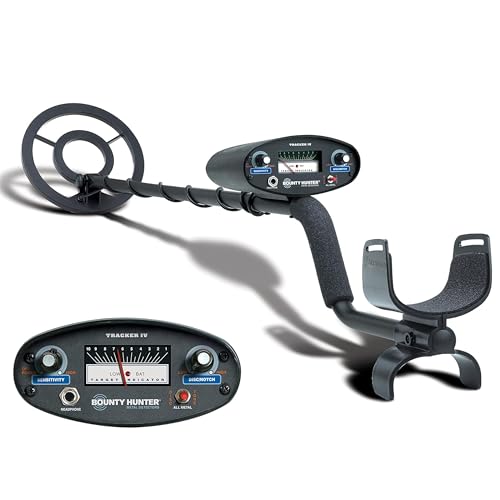
Simple 2-tone discrimination
Bounty Hunter TK4 Tracker IV
Preset discrimination mode eliminates most iron and foil with a straightforward interface requiring minimal learning curve for casual treasure hunters.
Check Price on AmazonMid-Range
$400 – $900Advanced notch discrimination with multi-tone audio and higher resolution target ID for serious hobbyists.
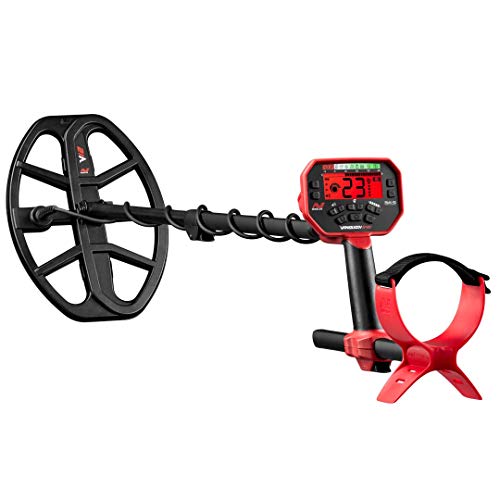
Top Pick Mid-Range
Minelab Vanquish 540 Metal Detector
Multi-IQ technology provides simultaneous multi-frequency discrimination with excellent target separation in trashy sites. The 25-segment target ID scale offers precise conductivity analysis, and five detection modes include customizable discrimination patterns that adapt to park, field, and beach environments with discrimination depth compensation maintaining accuracy on deep targets. When evaluating top-performing detector models across price points, the Vanquish 540 consistently ranks for discrimination accuracy.
Check Price on Amazon
Waterproof discrimination hunting
Fisher F44 Weather Proof Metal Detector
Offers 10-segment notch discrimination with iron audio and numeric target ID, perfect for wet condition hunting where discrimination reliability matters.
Check Price on Amazon
Waterproof with notch filtering
Nokta Makro Simplex+ Metal Detector
Fully submersible with 3-tone audio discrimination and adjustable notch segments for filtering specific trash types in freshwater and saltwater environments.
Check Price on AmazonPremium
$900 – $2,500Professional-grade discrimination with AI target analysis, multi-frequency operation, and maximum customization for expert detectorists.
Top Pick Premium
Minelab Equinox 800 Metal Detector
Multi-IQ simultaneous multi-frequency technology delivers superior discrimination accuracy across all target types and soil conditions. The 50-tone audio system with adjustable tone breaks provides instant auditory target classification, while the advanced notch discrimination allows segment-level filtering across the 0-99 target ID range. Eight detection modes include specialized discrimination profiles for park, field, beach, and gold prospecting, with user-adjustable recovery speed and discrimination integration preventing false rejections on deep targets. Understanding which detector features matter most for your hunting style helps determine if this professional-level investment matches your discrimination needs.
Check Price on Amazon
Wireless smart discrimination
XP Deus II Metal Detector
Fast multi-frequency processing with AI-assisted target classification and wireless operation providing exceptional discrimination in extreme trash densities.
Check Price on Amazon
Professional all-terrain use
Garrett AT Max Metal Detector
Fully waterproof discrimination system with iron audio and high resolution discrimination for professional relic and coin hunters working challenging environments.
Check Price on AmazonFrequently Asked Questions
For park coin hunting, reject iron (0-10 on most scales) and foil (10-20) while accepting everything above 20 to capture nickels, pull-tabs, and all silver and copper coins. Use medium discrimination strength rather than maximum to avoid rejecting deep coins that register weaker signals. Enable iron audio so you can hear ferrous trash without stopping, and use 3-4 tone audio to distinguish zinc pennies from copper and silver targets by sound alone.
Breakthrough signals occur when targets are very shallow, very large, or positioned at certain angles that produce stronger-than-expected conductivity readings. Ground mineralization can also shift target ID values outside your rejected ranges. Additionally, oxidized targets or those near other metals create complex signals that confuse discrimination circuits. Switch to all-metal mode occasionally to verify what discrimination is filtering and adjust your patterns based on actual ground conditions.
Use minimal or no discrimination when gold jewelry is the target, as most gold rings fall in the 4-15 conductivity range alongside aluminum trash. Accept that finding gold requires digging pull-tabs and foil, or hunt in low-trash areas where all-metal mode is practical. Some advanced detectors offer gold-specific modes that use different frequency analysis to separate gold from aluminum with better accuracy than traditional conductivity-based discrimination.
Discrimination typically reduces maximum detection depth by 10-30% compared to all-metal mode because the detector must analyze target conductivity in addition to presence, requiring stronger signals for reliable identification. Deep targets also register lower on the conductivity scale than shallow identical items, so aggressive discrimination settings will reject good deep finds. Use lower discrimination levels when working areas with potential deep targets and higher discrimination only in shallow trashy sites.
Modern discrimination struggles with bottle caps because they fall in the conductivity range of nickels and some gold jewelry (15-25 on most scales). Bottle caps also produce irregular signals that vary by orientation, sometimes reading like silver at certain angles. The best approach is digging questionable targets in this range or using detectors with smart discrimination that analyzes signal shape and consistency, not just conductivity, to improve bottle cap rejection while preserving coins.
Beach hunting benefits from minimal discrimination since trash density is usually lower than parks and most valuable targets are jewelry in the foil and pull-tab ranges. Reject only iron (0-10) and use all-metal or low discrimination modes to maximize gold ring recovery. In wet salt sand, use dedicated beach modes that handle ground mineralization while maintaining discrimination accuracy, as standard discrimination patterns often fail in conductive saltwater environments.
Spend time in all-metal mode identifying what trash types dominate your site, noting their conductivity values on your target ID scale. Dig samples of each trash type and desirable targets, testing them at various depths and angles to see their ID range variation. Create a notch pattern that rejects the most common trash while accepting target ranges, then field-test by hunting a known area and noting what you find versus what you’re missing. Refine the pattern over several sessions based on actual recovery results.
Soil mineralization significantly affects discrimination accuracy, with highly mineralized ground shifting target conductivity readings and causing good targets to register in trash ranges. Always ground balance before setting discrimination patterns, and expect to adjust discrimination more conservatively in mineralized soils to avoid rejecting deep good targets. Some detectors automatically compensate for ground effects on discrimination, while others require manual adjustment of discrimination threshold based on soil conditions experienced during the hunt.
