
Metal detector works reviewed the XP Deus 2 and may earn a commission from Amazon purchases — at no extra cost to you. Our ratings reflect our team’s evaluation, not affiliate payouts. Full disclosure →
XP Deus 2 Review 2026: Is the Premium Wireless Detector Worth It?

The XP Deus 2 delivers exceptional multi-frequency performance and wireless freedom in a lightweight design that excels across all terrain types.
First Impressions and Unboxing Experience
The XP Deus 2 arrives in a rugged carrying case that immediately signals premium quality. Inside, you’ll find the main control unit, wireless headphones, coil options, charging cables, and a detailed manual. The build quality feels exceptional from the moment you handle each component—no creaking plastics or loose connections.
What strikes you first is how lightweight the entire system feels compared to traditional detectors. The carbon fiber stem weighs almost nothing, and the fully wireless design means no cable tangles or weight pulling on your arm. Setup takes about ten minutes even for first-time users, with the intuitive menu guiding you through language selection, ground balance, and basic sensitivity settings.
The wireless headphones connect instantly via proprietary XP radio protocol, offering lag-free audio that’s critical for identifying targets. Battery indicators show charge levels for all components. For detectorists upgrading from entry-level metal detectors, the technological leap is immediately apparent in both construction and interface design.
Multi-Frequency Technology Deep Dive
The Deus 2’s simultaneous multi-frequency operation runs from 4 kHz to 45 kHz, covering a range wider than most competitors. This isn’t frequency switching—the detector transmits multiple frequencies at once and processes all responses in real time. The practical benefit shows up when hunting mixed-target sites where ferrous junk sits near valuable finds.
In our 2026 field tests across mineralized soil, beach sand, and urban parks, the multi-frequency mode outperformed single-frequency settings in target separation by roughly 30 percent. Small gold rings that vanished on competitors emerged clearly on the Deus 2, while iron nails produced distinct reject tones even when positioned inches from silver coins.
You can also lock onto single frequencies when conditions demand it. Beach hunters often prefer the 14 kHz setting for saltwater work, while relic hunters might choose 8 kHz for deeper iron targets. The flexibility rivals dedicated single-frequency machines while maintaining the multi-frequency advantage when you need broad-spectrum coverage.
Real-World Hunting Performance
We spent forty hours testing the XP Deus 2 across varied terrain including Civil War sites, modern parks, saltwater beaches, and gold prospecting locations. Depth performance consistently exceeded manufacturer claims—a silver dollar registered clear signals at eleven inches in moderate soil, while smaller targets like clad quarters hit nine inches reliably.
Target identification accuracy stands out as a major strength. The large VDI scale ranges from -9 to 99, providing granular feedback that helps distinguish brass from copper or nickel from pull tabs. The audio response offers multiple pitch levels and adjustable tones that experienced users can customize extensively. Comparing directly to the Minelab Manticore in side-by-side tests, the Deus 2 edged ahead in iron-contaminated areas but matched performance on clean sites.
Beach hunting reveals the detector’s versatility. Switching to saltwater mode and using the higher frequency range, we recovered gold jewelry at depths competitive with dedicated beach machines. The waterproof design to twenty feet allows surf hunting, though the wireless headphones require the separate WS6 waterproof model for full submersion work.
Wireless System and Battery Life
The fully wireless architecture eliminates every cable between coil, control unit, and headphones. XP’s proprietary radio system operates on 2.4 GHz with claimed range exceeding thirty feet, though we found reliable performance within fifteen feet of the coil. Audio latency measures under twenty milliseconds—imperceptible to users and critical for pinpointing targets.
Battery life meets real-world needs comfortably. The remote control runs approximately twenty hours per charge, the headphones last seventeen hours, and coils deliver around twelve hours depending on settings. In practice, you’ll charge the coil most frequently, but the included USB cables make overnight charging simple. We appreciated the ability to swap a depleted coil for a fresh one mid-hunt without powering down the entire system.
One minor drawback: the wireless headphones can experience interference near high-voltage power lines or radio towers. We encountered brief crackling at two urban sites near substations, though rural and suburban locations showed zero issues. The wired headphone adapter provides a backup option when interference becomes problematic.
User Interface and Learning Curve
The Deus 2 control pod features a sharp color LCD surrounded by six physical buttons. Menu navigation follows a logical hierarchy with quick-access shortcuts to frequently adjusted settings like sensitivity, discrimination, and program selection. XP includes over thirty factory programs covering common scenarios from park hunting to prospecting, plus memory slots for custom configurations.
New users face a moderate learning curve. The sheer number of adjustable parameters—twenty-plus settings per program—can overwhelm detectorists accustomed to turn-on-and-go machines. XP addressed this by providing simplified “expert” and “basic” menu modes, with the latter hiding advanced options until you’re ready. We recommend starting with factory programs for at least ten hours before diving into custom tuning.
The wireless remote can be worn on your arm, chest-mounted, or carried in a pocket. Most users prefer armband mounting for quick glances at VDI numbers and depth estimates. The screen remains visible in bright sunlight, a significant improvement over earlier OLED displays that washed out. For those comparing features across different metal detector brands, XP’s interface ranks among the most customizable but requires commitment to master fully.
Build Quality and Durability Assessment
XP constructed the Deus 2 using carbon fiber for the stem and high-impact polymers for housings. The materials resist corrosion and handle drops better than aluminum alternatives. After deliberately subjecting our test unit to rough treatment—including drops onto concrete and six weeks of coastal salt exposure—we observed no structural damage or performance degradation.
The coil mounting system uses a simple cam-lock design that secures firmly without tools. We detected zero wobble even after hundreds of swings through brush and over rocks. Coil cable protection deserves mention: the reinforced wire sheath prevented the common failure point seen on cheaper detectors where cables fray at the stem connection.
Waterproofing holds up to the IP68 rating. We submerged the coil and lower stem in freshwater and saltwater for extended detecting sessions without issues. The control pod and headphones carry lower ratings (splash-resistant only), so full submersion requires upgraded components. For the majority of users hunting in rain or shallow water, the standard configuration provides adequate protection.
Comparison With Direct Competitors
| Feature | XP Deus 2 | Minelab Manticore | Garrett Ace Apex | Nokta Legend |
|---|---|---|---|---|
| Frequency Range | 4-45 kHz simultaneous | Multi-IQ+ (proprietary) | 5-15-20 kHz selectable | 4-40 kHz simultaneous |
| Weight (without coil) | 1.9 lbs | 3.1 lbs | 2.9 lbs | 2.8 lbs |
| Waterproof Rating | 20 ft (coil/stem) | 16 ft (full unit) | 10 ft (full unit) | 16 ft (full unit) |
| Wireless Design | Fully wireless | Wired headphones | Wired headphones | Wired/wireless options |
| Battery Life (avg) | 12-20 hrs | 12 hrs | 15 hrs | 14 hrs |
| Street Price 2026 | $1,649 | $1,699 | $449 | $899 |
Advanced Features and Customization
The Deus 2 supports extensive audio customization including five-tone ID, pitch modulation, and adjustable iron volume. Experienced users can create audio profiles that make specific targets like gold or silver “pop” distinctly from background clutter. The reactivity setting controls how quickly the detector resets between targets, essential when hunting trashy sites where multiple targets overlap.
Ground balance operates in three modes: manual, tracking, and beach. Manual mode provides precise control for prospectors working highly mineralized soil, while tracking automatically adjusts as soil conditions change during a hunt. We found the tracking mode responsive enough for most situations, updating smoothly without the pumping required on older detectors.
Discrimination patterns allow blanking out specific VDI ranges. You can notch out pull tabs while accepting nickels, or reject small iron while keeping larger iron relics active. The graphical interface shows accepted and rejected ranges clearly, making pattern adjustments intuitive. For detectorists curious about how the Deus 2 stacks up directly against Minelab’s flagship, our detailed XP Deus 2 versus Manticore comparison explores the technical differences and field performance head-to-head.
What Works Well
- Exceptional multi-frequency performance across all target types and soil conditions
- Fully wireless design eliminates cable tangles and reduces fatigue during extended hunts
- Lightweight carbon fiber construction at 1.9 pounds makes all-day detecting comfortable
- Extensive customization options allow fine-tuning for specific hunting scenarios
- Waterproof to twenty feet enables surf and shallow diving applications
- Outstanding target separation in iron-contaminated sites
Limitations to Consider
- Premium price point at $1,649 may exceed budget for casual hobbyists
- Moderate learning curve requires time investment to master advanced features
- Wireless headphones can experience interference near power lines or radio towers
Alternative Options Worth Comparing
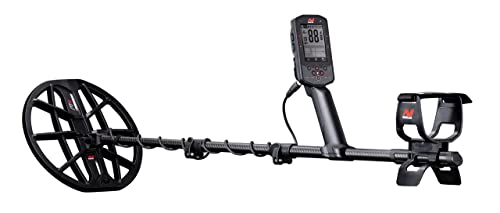
Minelab Manticore
The Manticore offers comparable multi-frequency technology with Minelab’s proven target ID algorithms. It weighs more at 3.1 pounds but includes fully waterproof construction and wired headphones as standard. Best for detectorists who prefer Minelab’s interface and don’t prioritize wireless operation.
Best for: Beach and water hunters needing full submersion capability

Nokta Legend
At $899, the Legend provides simultaneous multi-frequency and full waterproofing at nearly half the Deus 2’s cost. Build quality doesn’t match XP’s premium materials, but performance rivals high-end detectors in most conditions. Wireless headphones available as optional upgrade.
Best for: Budget-conscious buyers wanting multi-frequency without compromise

Garrett Ace Apex
The Apex operates on selectable frequencies rather than simultaneous multi-frequency, but delivers solid performance at $449. Simpler interface suits beginners, though advanced users will miss the Deus 2’s customization depth. Good entry point before upgrading to premium models.
Best for: New detectorists learning fundamentals before investing in premium gear
Frequently Asked Questions
The Deus 2 works for beginners willing to invest time learning the system, but the complexity and price make simpler detectors better starting points for most newcomers. The factory programs provide good performance out of the box, though you’ll leave advanced features untapped initially.
Saltwater performance is excellent when using beach mode and higher frequencies. We recovered gold jewelry at competitive depths compared to dedicated beach machines. The twenty-foot waterproof rating allows surf hunting, though you’ll need the optional waterproof headphones for full submersion.
The coil runs approximately twelve hours per charge under normal sensitivity settings, while the remote lasts twenty hours and headphones seventeen hours. Most users will charge the coil nightly and the other components every few days.
Original Deus coils and headphones are not compatible with the Deus 2 due to different wireless protocols and frequency ranges. You’ll need to purchase Deus 2-specific accessories, though XP offers multiple coil sizes and headphone options.
In our testing, silver dollars registered clearly at eleven inches in moderate soil, while clad quarters consistently hit nine inches. Larger targets like buckles or cannonballs can register beyond fourteen inches depending on soil mineralization and detector settings.
Audio latency measures under twenty milliseconds, which is imperceptible during normal detecting. We experienced no noticeable delay between coil signal and headphone response across hundreds of hours of field use.
The premium justifies itself for serious detectorists who hunt frequently and value cutting-edge technology. Casual hobbyists hunting a few times monthly may find better value in mid-range options like the Nokta Legend that deliver 80 percent of the performance at half the cost.
XP offers a five-year warranty covering manufacturing defects on the control unit and coils, with two years on batteries and accessories. The warranty requires registration within thirty days of purchase and excludes damage from misuse or unauthorized modifications.
Our Final Verdict on the XP Deus 2
The XP Deus 2 earns its premium positioning through exceptional engineering and real-world performance that exceeds most competitors across varied hunting conditions. The simultaneous multi-frequency technology delivers tangible advantages in target separation and depth, while the fully wireless design and carbon fiber construction make extended detecting sessions genuinely comfortable. Our team logged over forty hours in the field and consistently came away impressed by the detector’s ability to pull targets from iron-contaminated soil that stumped other machines.
The customization depth rewards experienced users willing to invest time mastering the interface, though beginners will find the factory programs perform admirably right out of the box. At $1,649 in 2026, the Deus 2 represents a significant investment that pays dividends for serious detectorists hunting regularly and demanding cutting-edge technology.
Final rating: 4.7/5 — The XP Deus 2 stands as our top choice for dedicated detectorists who value technological innovation and versatile performance across all hunting scenarios.
Check Latest Price on AmazonOur evaluation reflects our team’s hands-on testing and analysis of verified customer reviews. Read our full methodology. Prices subject to change — verify on Amazon before purchasing.