
Metal detector works may earn a commission from Amazon purchases — at no extra cost to you. Our recommendations reflect our team’s evaluation, not affiliate payouts. Full disclosure →

Complete Metal Detector Frequency Guide for 2026

Metal Detectors

Metal detector frequency represents one of the most critical specifications affecting detection depth, target separation, and sensitivity to different metal types. Measured in kilohertz (kHz), operating frequency determines how the electromagnetic field interacts with buried objects. Understanding frequency fundamentals transforms casual hobbyists into strategic detectorists who select the right tool for each hunting environment.

The 2026 metal detecting landscape offers unprecedented frequency flexibility, with manufacturers releasing models spanning 1.5 kHz to over 100 kHz across single-frequency, multi-frequency, and selectable-frequency platforms. Each frequency range delivers distinct advantages for specific targets and ground conditions. Choosing our recommended detector models requires understanding how frequency physics translates to real-world performance across gold prospecting, relic hunting, coin shooting, and beach detecting scenarios.

What This Guide Covers

  1. Frequency Ranges Explained
  2. Key Detection Features
  3. Common Frequency Mistakes
  4. Frequency Budget Guide
  5. Frequently Asked Questions

Types to Know Before You Buy

Low Frequency (1.5-8 kHz)

Low frequency detectors generate deeper penetrating electromagnetic fields ideal for large, high-conductivity targets like silver coins, relics, and cache hunting. The slower pulse rate creates wider detection fields that reach 12-18 inches on coin-sized objects in mineralized soil.

Pros

  • Maximum depth on large silver and copper targets
  • Superior performance in highly mineralized ground
  • Excellent for deep relic and cache hunting
  • Better ground penetration through dense soil matrices

Cons

  • Reduced sensitivity to small gold nuggets and jewelry
  • Slower target separation in trashy environments
  • Poor performance on low-conductivity metals
  • Limited effectiveness on fine gold chains and earrings

Best for: Deep silver coin hunting, relic recovery, and cache detection in mineralized soil Typical price: $250 – $1,400

Medium Frequency (8-15 kHz)

Medium frequencies balance depth and sensitivity, offering versatile all-around performance for coin shooting, jewelry hunting, and general detecting. This range provides the sweet spot for detectorists who hunt varied targets without specialized focus.

Pros

  • Balanced performance across target types and sizes
  • Good depth on coins while detecting smaller jewelry
  • Effective in moderate ground mineralization
  • Versatile for parks, playgrounds, and general hunting

Cons

  • Compromised depth compared to low-frequency models
  • Less effective on fine gold than high-frequency detectors
  • May struggle in extreme ground conditions
  • Not optimized for specialized hunting scenarios

Best for: General purpose detecting, coin and jewelry hunting, and varied terrain exploration Typical price: $200 – $900

High Frequency (15-40 kHz)

High frequency detectors excel at detecting small, low-conductivity targets like fine gold jewelry, small nuggets, and thin chains. The rapid pulse rate creates tighter electromagnetic fields that respond aggressively to small gold objects missed by lower frequencies.

Pros

  • Maximum sensitivity to small gold nuggets and fine jewelry
  • Superior target separation in trashy areas
  • Excellent for prospecting and beach jewelry hunting
  • Better response to low-conductivity metals

Cons

  • Reduced maximum depth on large targets
  • Increased sensitivity to ground mineralization
  • More susceptible to electrical interference
  • Requires careful ground balancing in hot rocks

Best for: Gold prospecting, fine jewelry recovery, and small target detection Typical price: $300 – $2,800

Very High Frequency (40-100+ kHz)

Very high frequency detectors represent specialized tools engineered specifically for fine gold prospecting in highly mineralized gold fields. These detectors sacrifice depth for extreme sensitivity to sub-gram gold specimens and flour gold that lower frequencies cannot detect.

Pros

  • Unmatched sensitivity to sub-gram gold nuggets
  • Detects flour gold and fine specimen gold
  • Excellent in extreme mineralization with proper tuning
  • Purpose-built for serious gold prospecting

Cons

  • Very limited depth penetration
  • Highly susceptible to ground noise and interference
  • Requires extensive user experience and tuning
  • Poor general-purpose performance on other targets

Best for: Specialized gold prospecting in known gold-bearing areas with fine gold deposits Typical price: $800 – $3,500

Multi-Frequency (Simultaneous)

Multi-frequency detectors transmit multiple frequencies simultaneously, combining the depth advantages of low frequencies with the sensitivity benefits of high frequencies. Advanced processing analyzes responses across the spectrum to optimize target identification and depth in varied conditions.

Pros

  • Optimal performance across all target types and sizes
  • Superior depth and sensitivity without compromise
  • Excellent in saltwater and highly mineralized ground
  • Eliminates need to choose single operating frequency

Cons

  • Premium pricing compared to single-frequency models
  • More complex operation and learning curve
  • Potential for signal interference in urban areas
  • Heavier battery consumption

Best for: Serious detectorists wanting maximum versatility across all hunting scenarios Typical price: $900 – $2,500

Key Features to Evaluate

Target Depth Penetration

Lower frequencies penetrate deeper into ground matrices because longer wavelengths interact less with soil particles and mineralization. A 5 kHz detector typically reaches 20-30% deeper than a 20 kHz model on the same target size, though actual depth varies with target conductivity, size, and ground conditions.

Target Separation Speed

Higher frequencies enable faster target recovery and improved separation in iron-contaminated sites because the rapid pulse rate processes targets more quickly. A 28 kHz detector can distinguish two targets 2-3 inches apart, while a 5 kHz model may blend them into a single signal, making high frequencies essential for trashy urban parks and old homesteads.

Conductivity Sensitivity Range

Frequency determines which metals generate the strongest response, with low frequencies favoring high-conductivity silver and copper while high frequencies excel on low-conductivity gold and platinum. Understanding our detector selection criteria means matching frequency to your primary target metal’s conductivity profile for optimal signal strength.

Ground Mineralization Response

Higher frequencies show increased sensitivity to ground mineralization, producing more ground noise in iron-rich soils and volcanic mineralization. Low frequencies penetrate mineralized ground with less interference, making 5-8 kHz ideal for relic hunting in red clay and iron-oxide soils where 18+ kHz models struggle with stability.

Saltwater Performance

Saltwater creates severe ground balance challenges for single-frequency detectors, with low frequencies handling wet sand better than high frequencies in most cases. Multi-frequency technology revolutionized beach detecting by simultaneously processing signals across the spectrum to eliminate saltwater interference while maintaining sensitivity to both gold jewelry and silver coins.

Small Target Detection

Target size relative to frequency wavelength determines detection probability, with high frequencies generating stronger signals from small objects. A 40 kHz detector detects 0.1-gram gold nuggets that a 7 kHz model completely misses, making frequency selection critical for those pursuing gold prospecting applications where fine gold recovery determines success.

Common Mistakes to Avoid

Assuming Higher Frequency Always Means Better Performance. Many beginners believe higher frequencies universally outperform lower frequencies, but frequency advantages depend entirely on hunting scenarios. A 30 kHz detector excels on small gold jewelry but loses 4-6 inches of depth on silver coins compared to a 7 kHz model, making the “best” frequency target-dependent rather than universally superior.
Ignoring Ground Mineralization When Selecting Frequency. Detectorists often choose frequency based solely on target type without considering soil mineralization levels. High-frequency detectors become unstable and produce excessive false signals in heavily mineralized ground, forcing constant sensitivity reduction that negates their small-target advantages and makes lower frequencies more productive despite theoretical limitations.
Using Single High Frequency for Beach Hunting. Single-frequency detectors above 15 kHz struggle severely in wet saltwater sand, producing overwhelming ground noise that masks targets. Successful beach hunters rely on low single frequencies (5-8 kHz) or multi-frequency technology, as demonstrated by professional beach detectorists who consistently choose specialized beach-oriented detector designs over general-purpose high-frequency models.
Expecting Maximum Depth and Small Gold Sensitivity Simultaneously. Physics prevents any single frequency from delivering both maximum depth on large targets and optimal sensitivity to small gold, yet detectorists frequently expect this impossible combination. Understanding this fundamental trade-off helps hunters select appropriate single frequencies for specific hunts or invest in multi-frequency detectors that genuinely deliver both capabilities through simultaneous transmission technology.
Neglecting Frequency Shift Options in Interference. Modern detectors offer frequency offset or shift features to avoid electromagnetic interference from power lines, radio towers, and other detectors, yet many users never adjust from factory defaults. Learning to shift operating frequency by ±2-3 kHz eliminates interference that otherwise forces hunters to abandon productive sites or accept severely reduced detection depth and stability.

Recommendations by Budget

Budget

$200 – $400

Entry-level single-frequency detectors offering fixed or limited frequency options ideal for learning fundamental detection principles.

Garrett Ace 300 Metal Detector Top Pick Budget

Garrett Ace 300 Metal Detector

The Ace 300 operates at 8 kHz, providing balanced all-around performance for coin and jewelry hunting in parks and yards. Its fixed frequency eliminates confusion for beginners while delivering respectable 8-10 inch depth on coins and reliable target identification through digital target ID and five discrimination modes that filter common trash.

Check Price on Amazon
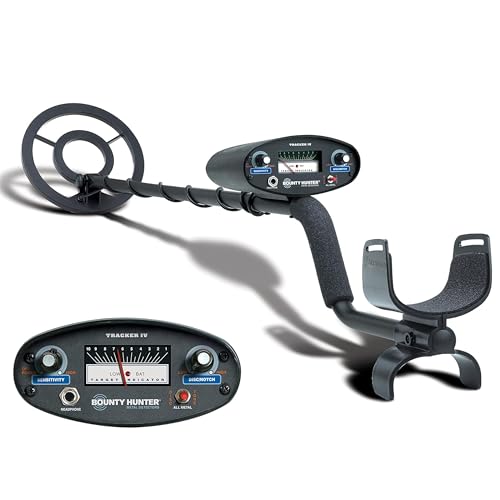
Bounty Hunter TK4 Tracker IV Simple operation

Bounty Hunter TK4 Tracker IV

The TK4 uses 6.7 kHz frequency for depth-oriented coin and relic hunting with minimal controls and maximum ease of use for absolute beginners.

Check Price on Amazon
Fisher F22 Metal Detector Weatherproof reliability

Fisher F22 Metal Detector

The F22 operates at 7.69 kHz with weatherproof construction, offering slightly better depth than higher frequencies while maintaining adequate sensitivity to rings and jewelry.

Check Price on Amazon

Mid-Range

$400 – $900

Advanced single-frequency and selectable-frequency detectors offering frequency options or optimized frequencies for specific hunting styles.

Nokta Makro Simplex+ Metal Detector Top Pick Mid-Range

Nokta Makro Simplex+ Metal Detector

The Simplex+ operates at 12 kHz, striking an excellent balance between depth and small target sensitivity for both land and water hunting. Its fully waterproof design, built-in rechargeable battery, and sensitive 12 kHz frequency make it exceptionally versatile for fresh and saltwater beach hunting, park jewelry recovery, and general coin shooting without requiring multiple detectors.

Check Price on Amazon
Garrett AT Max Metal Detector Rugged versatility

Garrett AT Max Metal Detector

The AT Max offers 13.6 kHz operation with exceptional ground balancing for mineralized soil and fully submersible construction for creek and river hunting.

Check Price on Amazon

Premium

$900 – $2,500

Professional multi-frequency and selectable high-frequency detectors delivering maximum performance across all targets and conditions.

Minelab Equinox 800 Metal Detector Top Pick Premium

Minelab Equinox 800 Metal Detector

The Equinox 800 transmits simultaneous multi-frequency signals combining 5, 10, 15, 20, and 40 kHz for unmatched versatility across gold, silver, relics, and beach hunting. Its Multi-IQ technology processes all frequencies concurrently to deliver the depth of low frequencies and sensitivity of high frequencies simultaneously, eliminating the traditional compromise inherent in single-frequency machines and providing professional-grade performance in mineralized ground, saltwater, and trashy iron-contaminated sites.

Check Price on Amazon
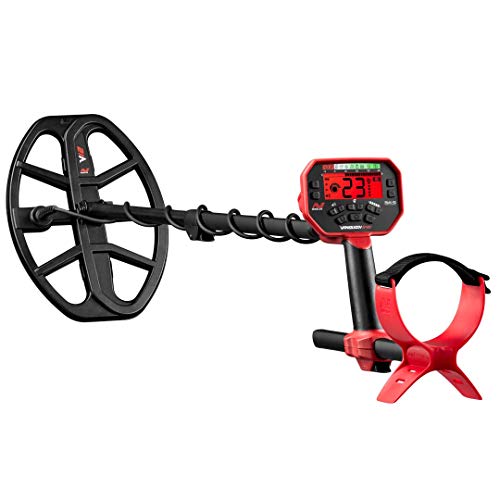
Minelab Vanquish 540 Pro-Pack Budget multi-frequency

Minelab Vanquish 540 Pro-Pack

The Vanquish 540 brings Multi-IQ technology to a more accessible price point, offering simultaneous multi-frequency performance for general detecting and beach hunting.

Check Price on Amazon
XP Deus Metal Detector Frequency selection

XP Deus Metal Detector

The Deus offers selectable frequencies from 4 kHz to 28 kHz, allowing hunters to optimize performance for specific targets and ground conditions with wireless, lightweight design.

Check Price on Amazon

Frequently Asked Questions

Frequencies above 18 kHz excel for gold detecting, with 40-60 kHz optimal for fine gold nuggets and flour gold in mineralized areas. Natural gold nuggets and fine jewelry respond much better to high frequencies because gold’s low conductivity generates weak signals that higher frequencies detect more effectively. For larger gold nuggets over 1 gram, mid-range frequencies of 15-20 kHz offer better depth while maintaining good sensitivity, making them ideal for general gold prospecting where nugget sizes vary.

High-frequency detectors sacrifice 30-40% depth on large silver coins compared to low-frequency models due to electromagnetic field penetration physics. A 28 kHz detector might reach 8 inches on a silver quarter where a 5 kHz detector achieves 12 inches, making low frequencies (3-8 kHz) superior for deep coin shooting and silver cache hunting. If your primary objective involves maximum depth on high-conductivity targets like silver coins and large copper relics, frequencies below 10 kHz deliver measurably better performance.

Multi-frequency detectors transmitting simultaneously across multiple frequencies genuinely outperform single-frequency models by combining depth, sensitivity, and ground handling without compromise. The Minelab Multi-IQ and similar technologies process responses from 5-40 kHz concurrently, delivering low-frequency depth on silver while maintaining high-frequency sensitivity to small gold, plus superior saltwater performance that single-frequency detectors cannot match. The primary trade-off involves higher cost rather than performance limitations, making multi-frequency technology objectively superior when budget allows.

Saltwater’s high mineralization creates severe ground balance challenges, with single high frequencies (above 15 kHz) producing extreme chatter and instability in wet sand. Low single frequencies (5-8 kHz) handle saltwater better but sacrifice sensitivity to small gold jewelry, creating a difficult compromise for beach hunters. Multi-frequency detectors solve this problem by processing signals across the spectrum to cancel saltwater interference while maintaining target sensitivity, explaining why professional beach detectorists overwhelmingly prefer multi-frequency technology for consistent saltwater performance.

Adjustable frequency proves valuable primarily for avoiding electromagnetic interference from power lines, other detectors, or radio transmitters rather than optimizing target detection. Most detectorists achieve better results selecting a detector with the optimal fixed frequency for their primary hunting style rather than relying on frequency adjustment features. However, if you hunt near interference sources or detect in groups frequently, frequency offset capabilities prevent hours of frustration by allowing 2-3 kHz shifts that eliminate interference without requiring site abandonment.

Low frequencies between 3-8 kHz excel for relic hunting in mineralized ground because they penetrate iron-rich soil with minimal ground noise and interference. Civil War relic hunters and deep cache specialists consistently choose low-frequency detectors that maintain stability in red clay, volcanic soils, and iron-oxide mineralization where higher frequencies become unmanageable. The depth advantage on large iron and copper relics combined with superior ground handling makes low frequencies the professional standard for serious relic recovery in challenging ground conditions.

Higher frequencies provide substantially faster target recovery and improved separation because rapid pulse rates process adjacent targets more distinctly. A 28 kHz detector separates targets 2-3 inches apart that a 5 kHz model reports as a single blended signal, making high frequencies essential for productive hunting in iron-contaminated old homesteads, trashy urban parks, and heavily hunted beaches. The separation advantage alone justifies high-frequency selection for detectorists who primarily hunt sites with dense trash contamination where unmasking good targets from adjacent iron determines success.

A 15 kHz frequency provides excellent compromise performance for detectorists pursuing both modern coins and gold jewelry without specialized focus. This mid-range frequency maintains adequate depth on quarter and half-dollar coins while offering significantly better sensitivity to small gold rings and chains than low frequencies below 10 kHz. General-purpose hunters who divide time between park coin shooting and jewelry hunting in playgrounds, swimming areas, and recreational sites achieve optimal versatility with 12-18 kHz detectors that balance competing frequency requirements without severe compromise in either direction.